Karl LeswingSchrödingerMachine learning and computational drug discovery
Yunrui QiuUniversity of Notre DameMolecular simulation and nonequilibrium statistical mechanics
Chad RiskoUniversity of KentuckyComputational chemistry and organic electronic materials
Yihang WangCase Western Reserve UniversityArtificial intelligence, statistical mechanics, and molecular simulation
Jules SchleinitzCalifornia Institute of TechnologySynthetic organic chemistry and computer-assisted synthesis
Philip LampkinUniversity of UtahAI-guided molecular discovery, polymer design, and catalysis
Olaf WiestUniversity of Notre DameComputational reaction mechanisms and AI-enabled molecular discovery
Huimin ZhaoUniversity of Illinois Urbana-ChampaignSynthetic biology, metabolic engineering, and AI-enabled discovery
Brett M. SavoieUniversity of Notre DameComputational chemistry, reaction discovery, and synthesis planning
Garegin PapoianDeep OriginMultiscale computational biophysics and theoretical chemistry
Dylan WalshUniversity of Wisconsin–MadisonSynthetic chemistry, catalysis, and polymer upcycling
Xuhui HuangUniversity of Wisconsin–MadisonMolecular simulation, biomolecular kinetics, and artificial intelligence
Francesco PaesaniUniversity of California, San DiegoData-driven molecular simulation and many-body interactions
John ParkhillTerray TherapeuticsChemical foundation models, molecular design, and synthesis planning
Martin BurkeUniversity of Illinois Urbana-ChampaignAutomated modular synthesis and AI-guided small-molecule discovery
Colin LamMerck & Co.Artificial intelligence and data science for drug discovery
Cyndi Qixin HeMerck & Co.Computational chemistry, machine learning, and reaction development
Rory WatermanUniversity of VermontInorganic and organometallic synthesis and catalysis
Christopher JarzynskiUniversity of MarylandNonequilibrium statistical mechanics and thermodynamics
Shane W. KrskaMerck & Co.Synthetic chemistry, catalysis, and high-throughput experimentation
Masha ElkinMITSynthetic organic chemistry, catalysis, and machine learning
Gregory VothUniversity of ChicagoMultiscale molecular simulation and coarse-grained modeling
Mary PitmanSandboxAQMolecular simulation and biologics
Daniel TaborTexas A&M UniversityMachine learning and quantum chemistry for materials discovery
Olexandr IsayevCarnegie Mellon UniversityMachine learning and interatomic potentials
Aaron DinnerUniversity of ChicagoTheoretical chemistry, statistical mechanics, and molecular simulation
Song LinStanford UniversityOrganic electrochemistry, electrocatalysis, and synthesis
Michael WebbPrinceton UniversityTheoretical chemistry, statistical mechanics, and molecular simulation
Yuanqi DuMicrosoft ResearchMachine learning, generative modeling, and molecular design
Omar ValssonUniversity of North TexasStatistical mechanics, enhanced sampling, and molecular simulation
Sutanay ChoudhuryPacific Northwest National LaboratoryArtificial intelligence for scientific discovery and molecular modeling
Bodhi VaniPrescient Design, GenentechMachine learning, enhanced sampling, and protein conformational ensembles
Tom GrahamBristol Myers SquibbExperimental chemistry and drug discovery
Michael KoerisDARPABioprocessing, microbiome medicines, and cell and gene therapies
Ramón Alain Miranda-QuintanaUniversity of FloridaQuantum and theoretical chemistry and data analysis
Aditi S. KrishnapriyanUniversity of California, BerkeleyMachine learning for the natural sciences, molecular and materials modeling, and multiscale dynamics
Samuel StantonAnthropicProbabilistic machine learning, Bayesian optimization, and AI for biological design
Santiago MiretLila SciencesMachine learning, materials informatics, and AI-enabled materials discovery
Rigoberto HernandezJohns Hopkins UniversityTheoretical and computational chemistry, chemical dynamics, and energy transport
Timothy NewhouseYale UniversityOrganic synthesis, natural product synthesis, and reaction development
Abhinendra SinghCase Western Reserve UniversityMultiscale simulation, machine learning, and constitutive modeling of materials
Jeremy MonatBenchlingSoftware engineering and cloud-based platforms for biotechnology research and development
Yu GanUniversity of Maryland, College ParkMachine learning, generative and trustworthy AI, and biomedical imaging
Sarah TegenACS PublicationsScientific publishing, open science, research integrity, and peer review
Tom AllisonNational Institute of Standards and TechnologyQuantum chemistry, molecular modeling, electrochemistry, and solvation thermodynamics
Giulia PalermoUniversity of California, Los AngelesMultiscale molecular simulation, computational biophysics, and AI for genome editing
Richard DawesNational Science FoundationTheoretical and computational chemistry, potential energy surfaces, and molecular dynamics
Lin HeNational Science FoundationChemical measurement and imaging, bioanalysis, and data-driven discovery
Larry SitaUniversity of Maryland, College ParkOrganometallic chemistry, catalyst development, and advanced polymeric materials
Garik PetrosyanDeep OriginArtificial intelligence, molecular modeling, and computational biology for therapeutic design
Yanxin LiuUniversity of Maryland, College ParkCryo-electron microscopy, molecular dynamics simulation, and structural biophysics
Wolfgang LosertUniversity of Maryland, College ParkChemical excitability, neuromorphic computing, neuroAI, and cellular phenotypes
JC GumbartGeorgia Institute of TechnologyAtomistic molecular dynamics, computational biophysics, and bacterial membrane systems
Marat ValievU.S. Department of EnergyQuantum information science, high-performance molecular simulation, and computational chemistry


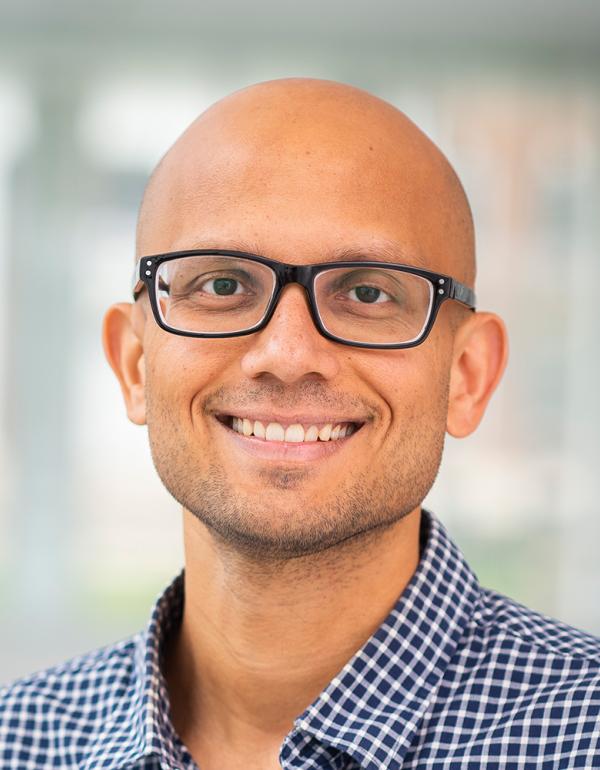 Pratyush Tiwary
University of Maryland, College Park
Workshop chair
Pratyush Tiwary
University of Maryland, College Park
Workshop chair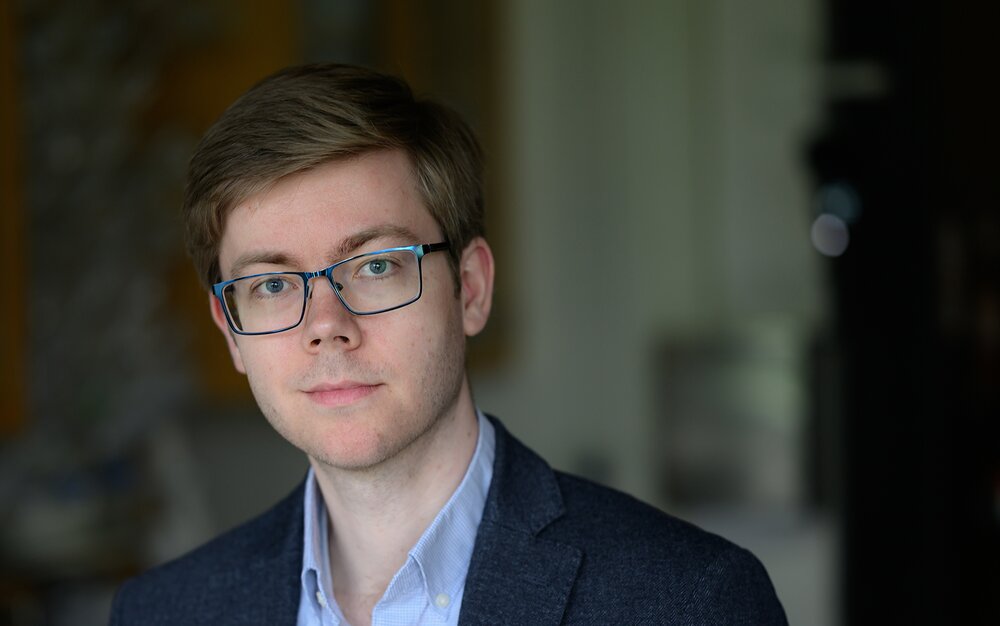 Connor Coley
Massachusetts Institute of Technology
Co-organizer
Connor Coley
Massachusetts Institute of Technology
Co-organizer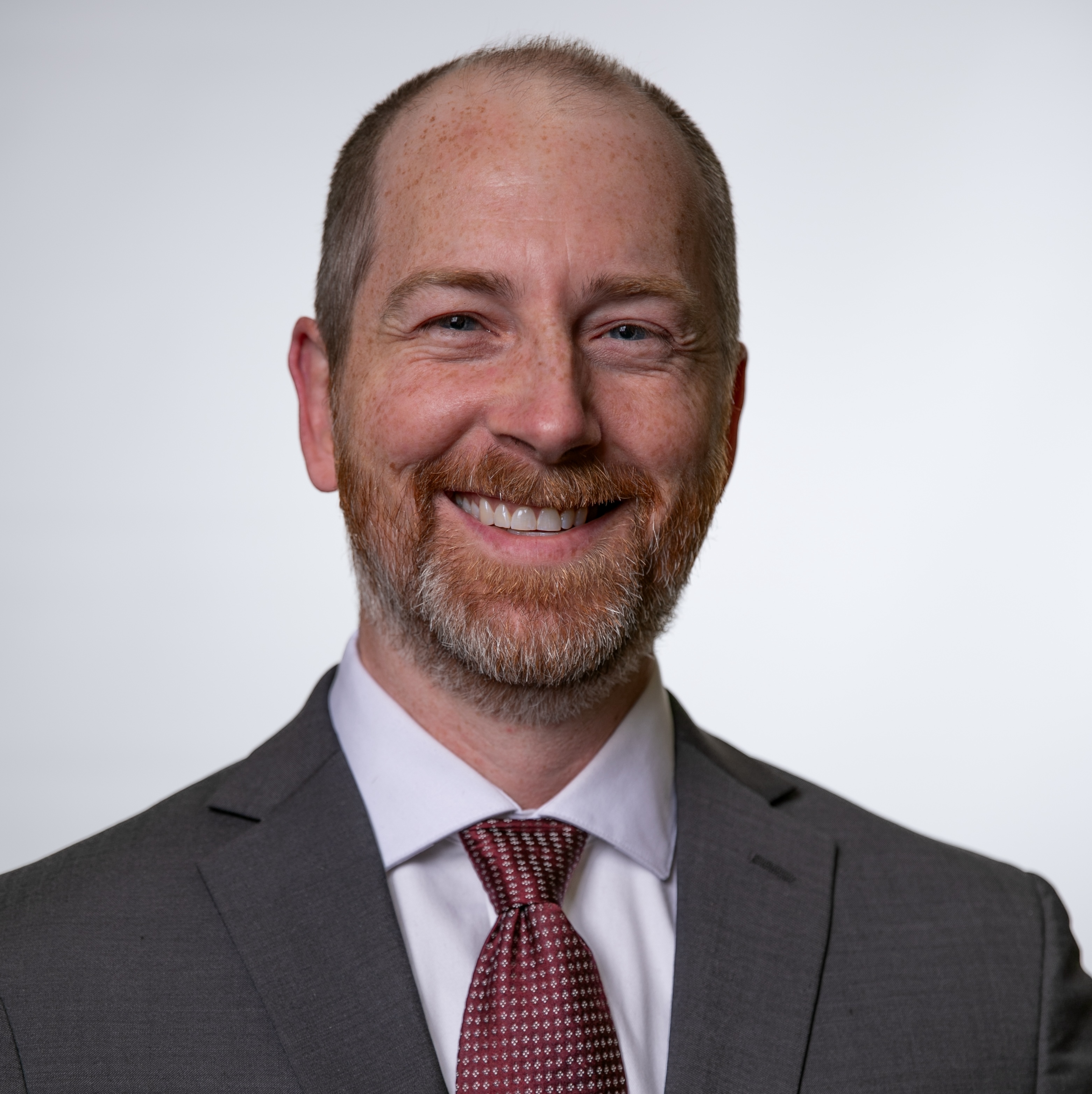 Ryan Jorn
Wichita State University
Co-organizer
Ryan Jorn
Wichita State University
Co-organizer